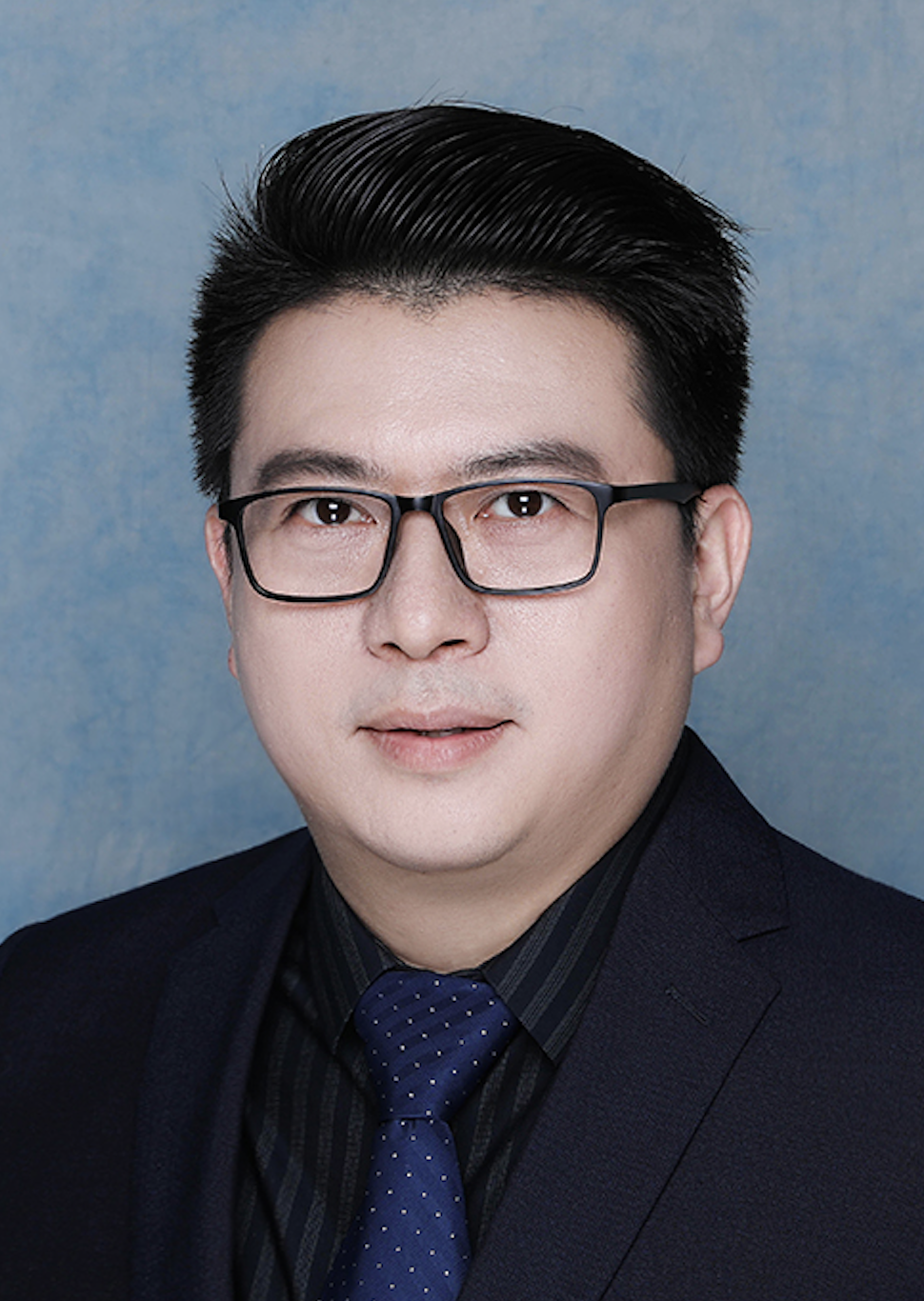
Yilong Yang
PI · BUAA
Intelligent Software Engineering
Research, tools, and people working on intelligent model-driven engineering.
Background
RM2PT was originally developed by A/Prof. Yilong Yang during his Ph.D. study at the University of Macau and UNU-IIST with Prof. Xiaoshan Li and Prof. Zhiming Liu. It is now continuously developed and maintained by his group at the School of Software and the Software Engineering Institute of Beihang University.
The platform and its surrounding research have expanded from requirements modeling and validation toward system design, architecture modeling, code generation, formal contracts, and AI-enhanced software engineering.
PI · BUAA
Intelligent Software Engineering
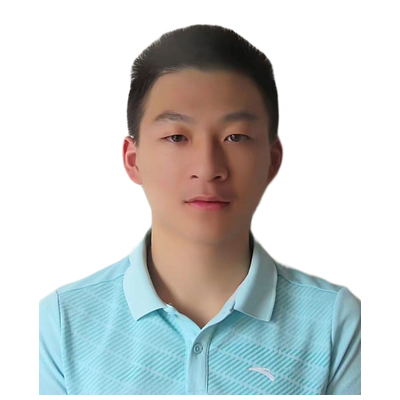
BUAA
Intelligent Requirements Engineering

BUAA
Intelligent Software Engineering
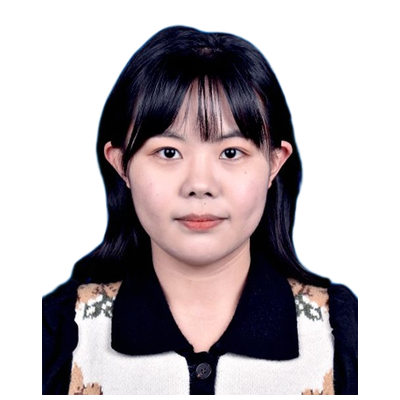
BUAA
Intelligent Requirements Engineering
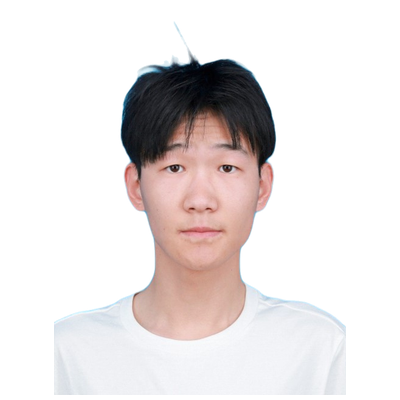
BUAA
AI-based software engineering
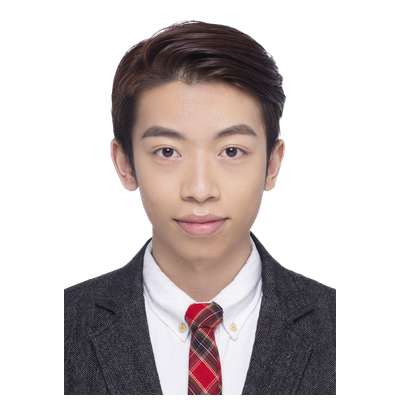
BUAA
Intelligent Reliability Engineering
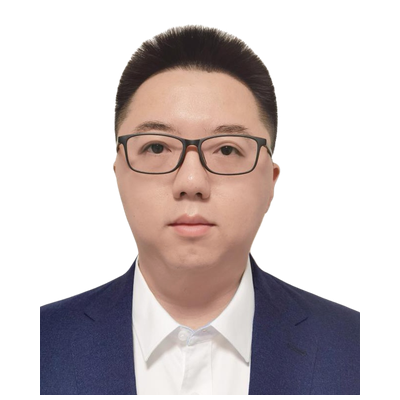
BUAA
Intelligent Systems Engineering
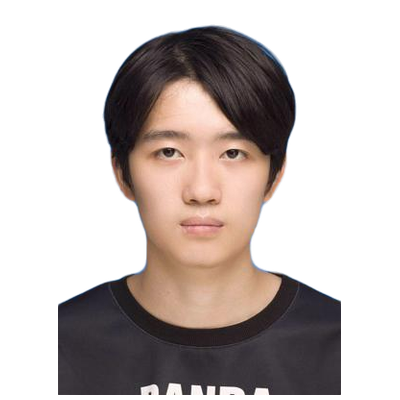
BUAA
Intelligent Systems Engineering

BUAA
Intelligent Formal Methods
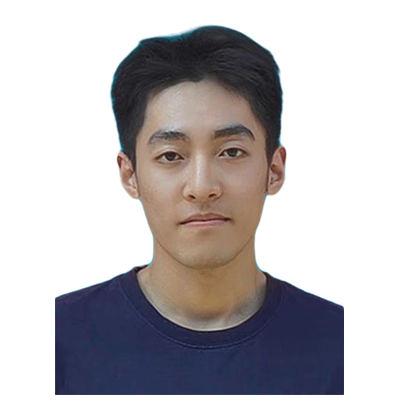
BUAA
Intelligent HarmonyOS Development
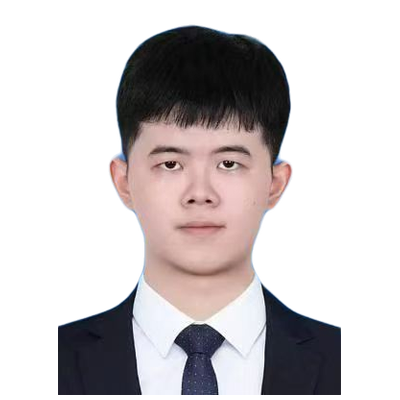
BUAA
Intelligent Model-Driven
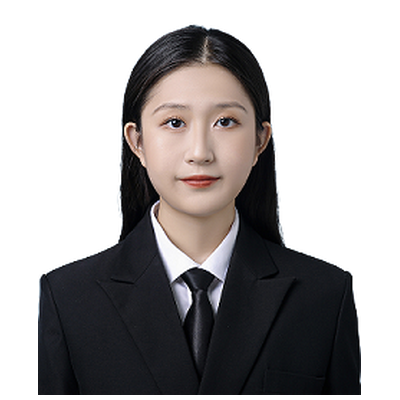
BUAA
Intelligent Software Engineering
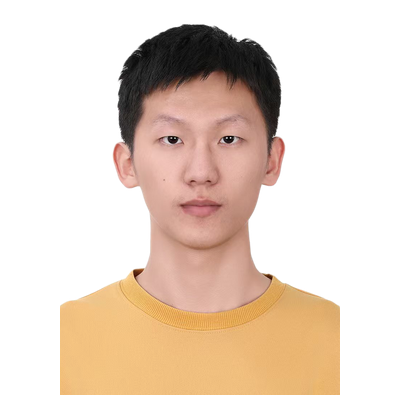
BUAA
Intelligent Software Engineering

BUAA
Intelligent Software Engineering
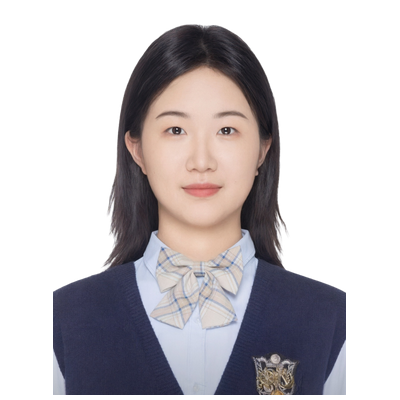
BUAA
Intelligent Manufacturing
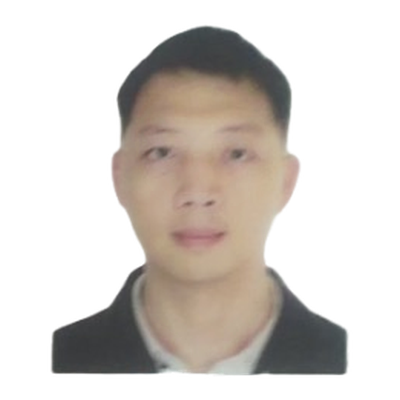
BUAA
Systems Engineering
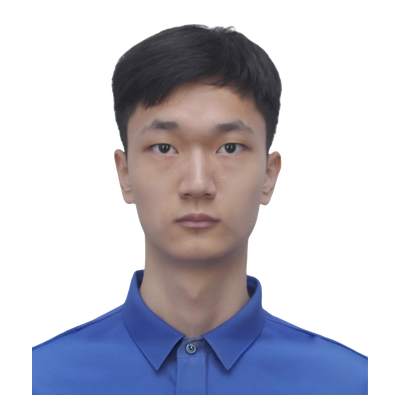
BUAA
Intelligent Requirements Engineering
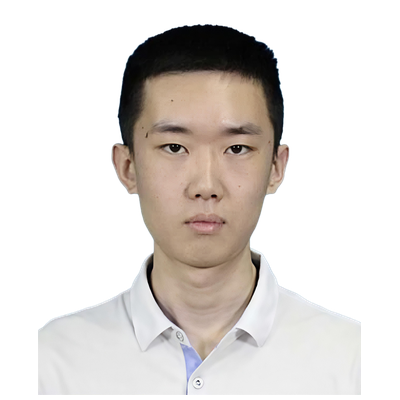
BUAA
Intelligent Pharmaceutics
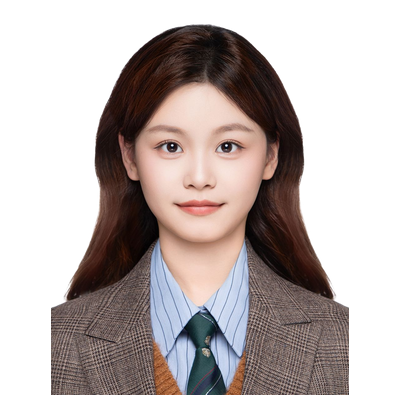
BUAA
Intelligent Government
BUAA
Intelligent Manufacturing
Get in touch
For research collaboration, software development, and training enquiries.
Associate Professor in Software Engineering
School of Software, Beihang University
New Main Building C806
37 Xueyuan Road, Haidian District
Beijing 100191, China